
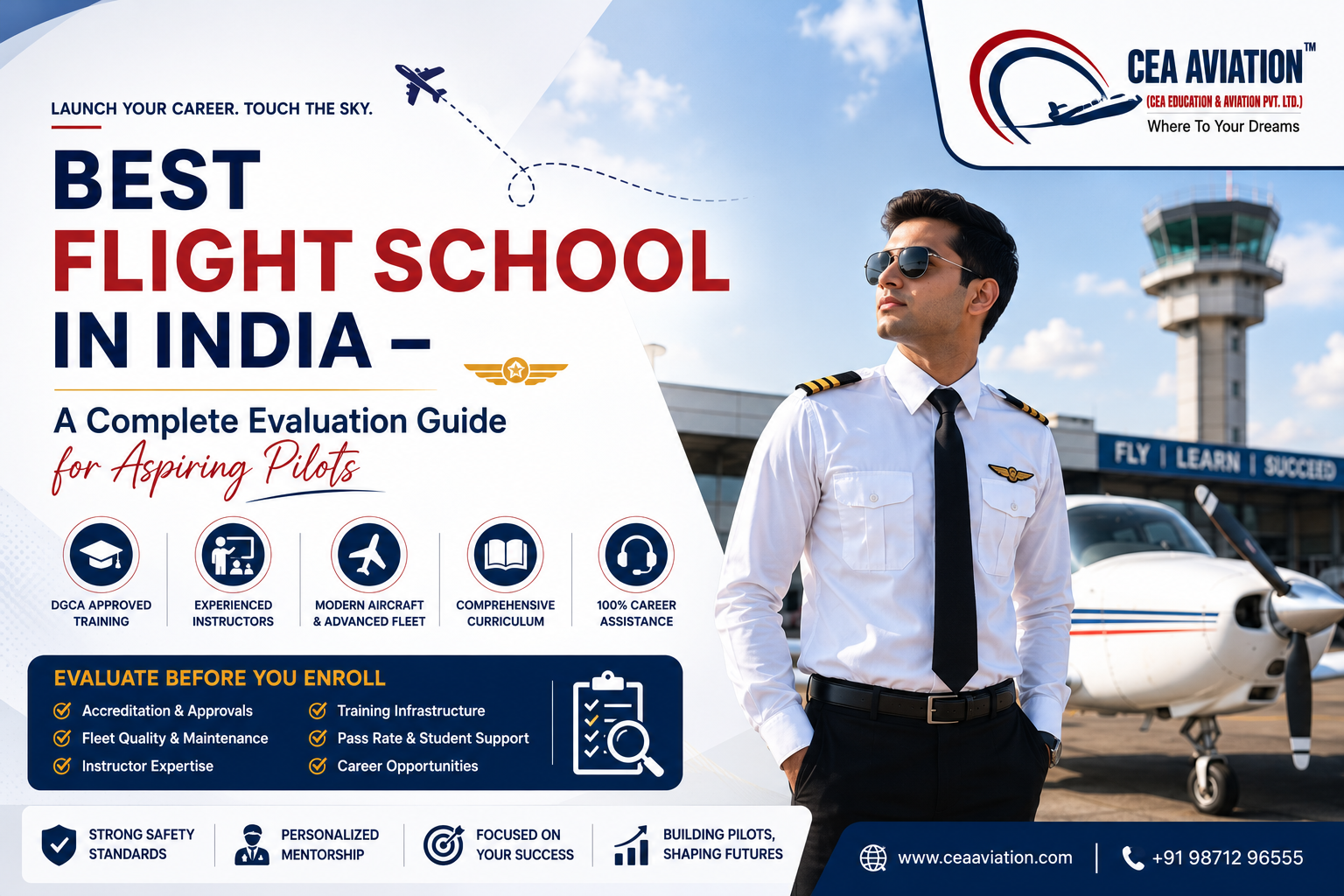
Becoming a professional pilot is a dream shared by many aviation enthusiasts. However, turning that dream into reality requires proper training, real dedication, and the right educational foundation from the start. One of the most important decisions aspiring pilots make is selecting the best flight school in India. The quality of training you receive directly shapes your aviation knowledge, flying skills, licensing success, and future career opportunities.
As the aviation industry continues to grow, airlines and aviation employers are, as a result, seeking highly trained pilots who can meet modern industry standards. Choosing the right flight school in India helps students build the skills, confidence, and professional mindset genuinely required for long-term success in aviation, not just enough to pass an exam.
Why Choosing the Right Flight School Matters
A Best Flight School in Delhi is more than a place where students learn how to fly an aircraft — it serves as the foundation for a pilot’s entire aviation journey. The right training institution provides structured learning, experienced instructors, safety-focused training, and genuine practical flying experience.
Consequently, selecting the best flight school in India can give students a real competitive advantage by ensuring they receive education that aligns with actual industry expectations, not just textbook requirements. A strong training environment prepares students for licensing examinations, flight operations, and future employment opportunities all at once, rather than treating each as a separate hurdle.
The aviation industry consistently values pilots who bring strong technical knowledge, excellent decision-making abilities, and professional discipline — qualities typically developed through comprehensive training programs at reputable aviation academies, not shortcut courses.
Key Factors to Consider When Choosing a Flight School in India
- Accreditation and Certification One of the first factors to evaluate is whether the school follows approved aviation training standards. Certified flight training institutions operate according to established regulations and maintain specific safety and educational requirements. As a result, training at a recognized institution gives students genuine confidence that their education meets professional aviation standards, not just marketing claims.
- Experienced Flight Instructors The quality of instructors plays a major role in a student’s overall learning experience. Experienced instructors bring valuable real-world aviation knowledge into both the classroom and the cockpit, helping students genuinely understand flight operations, navigation, aircraft systems, aviation regulations, and safety procedures — while providing personalized guidance throughout training. Strong instructor support contributes significantly to student confidence and overall performance.
- Training Infrastructure and Facilities Modern aviation education requires access to genuinely quality training resources. Students should evaluate:
- Aircraft availability
- Flight simulators
- Ground training facilities
- Maintenance standards
- Student support services
Therefore, a well-equipped flight school in India provides the practical exposure that meaningfully improves learning efficiency and overall training quality — infrastructure gaps here tend to show up later as gaps in student readiness.
The Importance of Flight Training Quality
Flight training in India has evolved significantly alongside advancements in aviation technology and industry standards. Today’s strongest pilot training programs combine classroom instruction, simulator practice, and real flight experience into one balanced learning environment, rather than treating these as disconnected stages.
High-quality training helps students develop:
- Aircraft handling skills
- Communication abilities
- Navigation techniques
- Emergency response procedures
- Aviation safety awareness
- Professional decision-making skills
These competencies are essential for both licensing success and future airline careers — not one or the other.
Understanding Career Opportunities After Training
Best Flight Training Institute In India offers a genuinely wide range of career opportunities for qualified pilots. After completing flight training and obtaining the necessary licenses, graduates may pursue careers in:
- Commercial airlines
- Charter aviation
- Cargo operations
- Corporate aviation
- Flight instruction
- Aviation management
Indeed, many airlines specifically prefer candidates who trained at recognized institutions, since it reflects a genuine commitment to professional development and industry standards, not just a license on paper. Choosing the right academy early in your journey can meaningfully influence future career prospects down the line.
Safety Standards Should Never Be Overlooked
Safety remains one of the most important aspects of aviation training, full stop. Reputable schools place significant emphasis on safety procedures, risk management, and operational discipline throughout every stage of training.
Students should seek institutions that genuinely prioritize:
- Aircraft maintenance
- Instructor qualifications
- Safety management systems
- Regulatory compliance
- Emergency preparedness training
Overall, a strong safety culture helps students build habits that remain valuable across their entire aviation career — this is one area where cutting corners simply isn’t an option.
Student Support and Learning Environment
A positive learning environment can make a real difference in training outcomes. The best flight schools in India often provide mentoring, academic support, career guidance, and structured learning pathways rather than leaving students to navigate training largely on their own.
Students genuinely benefit from environments that encourage continuous improvement and professional growth. Access to knowledgeable instructors and supportive staff helps aspiring pilots stay motivated and focused on their goals through what can be a genuinely demanding training period.
When evaluating a flight school in India, prospective students should weigh both training quality and the overall educational experience — not just one at the expense of the other.
Questions to Ask Before Enrolling
Before selecting a flight school in India, students should research:
- Training curriculum
- Instructor experience
- Aircraft fleet
- Safety record
- Student success rates
- Licensing support
- Career guidance services
Gathering this kind of detailed information upfront helps students make genuinely informed decisions and select a school that actually aligns with their career objectives, rather than choosing based on advertising alone.
Building a Strong Foundation for Aviation Success
A pilot’s career begins with proper education and training. The right flight school helps students develop technical expertise, confidence, discipline, and the professional skills that support long-term success in aviation — not just short-term exam readiness.
Rather than focusing solely on cost or location, aspiring pilots should evaluate the overall quality of training and the genuine value it provides for future career growth.
Conclusion: Best Flight School in India for Aspiring Commercial Pilots
Choosing the best flight school in India is one of the most important decisions for anyone pursuing a professional aviation career. Quality training, experienced instructors, modern facilities, strong safety standards, and comprehensive learning programs all contribute directly to a successful pilot journey.
A carefully selected Best Flying School In Delhi provides the foundation needed to achieve licensing goals, build genuine aviation expertise, and prepare for future opportunities across the industry. For aspiring pilots seeking professional aviation education and career-focused training, CEA Aviation is committed to supporting students with quality instruction, industry-focused learning, and a strong foundation for lasting aviation success.
The best flight school in India combines accreditation, experienced instructors, modern training infrastructure, strong safety standards, and genuine career guidance.
Check accreditation, instructor experience, aircraft fleet, safety record, student success rates, licensing support, and career guidance services.
Accreditation is critical, since certified institutions follow established safety and educational standards required for a professional pilot license.
Look for adequate aircraft availability, flight simulators, ground training facilities, proper maintenance standards, and student support services.
Graduates can pursue careers in commercial airlines, charter aviation, cargo operations, corporate aviation, flight instruction, or aviation management.
A strong safety culture builds habits around risk management and operational discipline that remain valuable throughout a pilot’s entire career.


