
Becoming a pilot is a dream career for many aviation enthusiasts. The excitement of flying, global career opportunities, and professional recognition make aviation one of the most respected fields today. But a successful aviation career starts with one decision: choosing the right training program. If you’re planning to enroll in Flight Training in Delhi, making an informed choice matters – the quality of training directly shapes your skills, confidence, and long-term employability as a pilot.
Delhi has become a leading aviation education hub in India, thanks to strong connectivity, modern training infrastructure, and access to experienced aviation professionals. With multiple academies now offering pilot programs across the city, selecting the best flight training in Delhi requires a careful, criteria-based evaluation rather than a quick decision based on advertising alone.
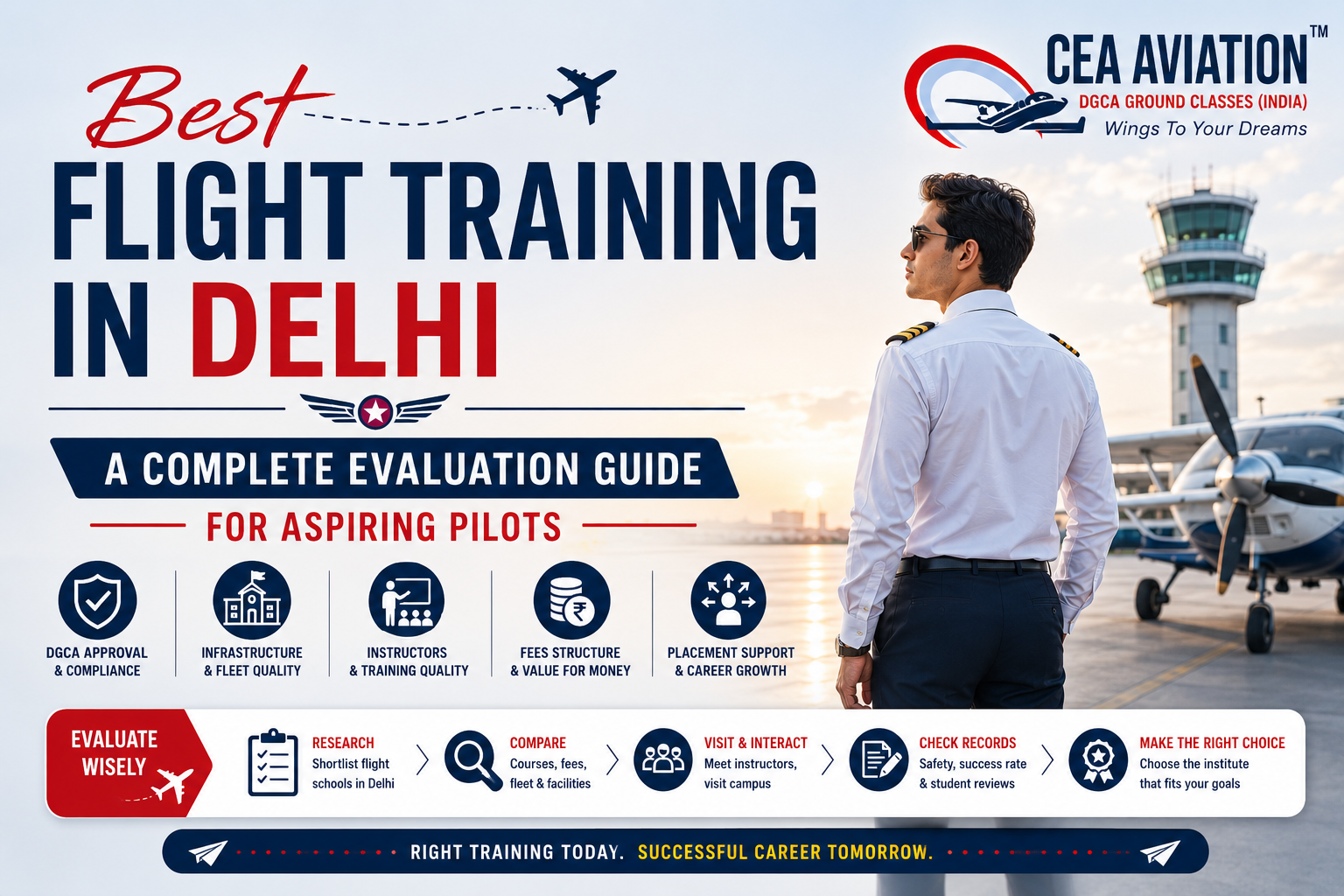
What to Look For at a Glance
| Criteria | What to Check |
|---|---|
| Accreditation | DGCA approval, valid certifications |
| Infrastructure | Simulators, aircraft fleet, classrooms |
| Instructors | Flying hours, real-world experience, student ratio |
| Course Structure | Flying hours, ground modules, exam prep |
| Cost Transparency | What’s included: sim hours, materials, exam fees |
| Placement Support | Placement rate, airline tie-ups, career counseling |
| Reviews | Alumni feedback, forums, testimonials |
Check Accreditation and DGCA Approval First
The first and most critical filter is whether the academy is approved by the Directorate General of Civil Aviation (DGCA). DGCA approval confirms that training meets national aviation safety and educational standards — without it, no other factor on this list matters.
A recognized institute offering flight training in Delhi follows structured training guidelines, an updated curriculum, and strict operational safety protocols. Enrolling with a certified institute ensures your pilot license remains valid for professional opportunities both in India and internationally.
Evaluate Training Infrastructure and Facilities
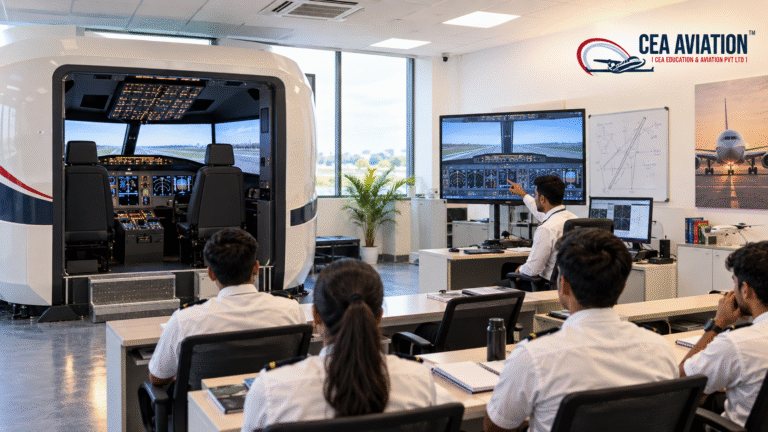
Modern aviation demands advanced training infrastructure. Before enrolling in any flight training program in Delhi, evaluate the institute’s actual facilities rather than relying on brochure claims. Look for:
- Advanced flight simulators
- Well-maintained training aircraft
- Smart, well-equipped classrooms
- Experienced aircraft maintenance teams
High-quality infrastructure gives students genuine hands-on exposure and builds real confidence in actual flying conditions. The best flight training in Delhi emphasizes practical experience running alongside theoretical instruction, not one at the expense of the other.
Assess Instructor Experience and Teaching Quality
Behind every skilled pilot is an experienced instructor — often trained through structured programs like DGCA Ground Classes in Delhi. Faculty expertise plays a central role in shaping aviation knowledge and sound decision-making abilities in the cockpit.
When researching institutes offering flight training in Delhi, check:
- Instructor flying hours and background
- Real-world training experience, not just academic credentials
- Student reviews and feedback
- Instructor-to-student ratio
Many students specifically choose flight training in Delhi because of access to seasoned aviation professionals offering personalized mentorship and genuine industry insight – something harder to find at smaller regional academies.
Review Course Structure and Training Methodology
A professional aviation program should maintain a careful balance between theory, simulation, and actual flight hours. Before enrolling, ask any institute directly about:
- Total flying hours included in the program
- Ground training modules and their depth
- Overall course duration
- Examination preparation support
Commercial pilot training in Delhi programs should offer structured curricula specifically designed to prepare students for licensing examinations and future airline assessments. Additional support – communication skills coaching, interview preparation – further strengthens a student’s overall career readiness beyond just passing exams.
Understand Cost Transparency and Training Value
Pilot training is a significant financial investment, so understanding the complete fee structure matters more than comparing headline prices. Look beyond the advertised cost and confirm whether it actually includes:
- Simulator training hours
- Study materials
- Examination fees
- Uniform and other incidental costs
Cost matters, but quality should never be compromised for a lower price. Choosing the best flight training in Delhi may require a higher upfront investment, but it consistently delivers better long-term career outcomes — fewer repeated exams, better placement odds, and stronger foundational skills.
Focus on Placement Success and Industry Connections
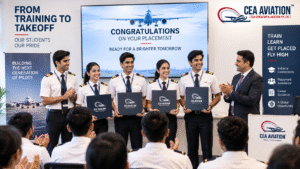
A genuinely strong aviation institute focuses on more than training alone — it invests in career development. Strong industry connections and clear placement guidance reflect a real commitment to student outcomes, not just enrollment numbers.
Before choosing where to pursue flight training in Delhi, ask directly:
- What is the institute’s actual placement success rate?
- Do airlines actively recruit from this institute?
- Is structured career counseling genuinely available?
Institutes that prioritize long-term student growth consistently deliver stronger career results for aspiring pilots than those focused purely on enrollment volume.
Read Student Reviews and Assess the Learning Environment
Student testimonials offer valuable, unfiltered insight into an institute’s actual training quality. Reviews on aviation forums, social media, and education platforms help you evaluate real student experiences rather than marketing promises. Connecting directly with alumni – where possible provides added clarity on how flight training in Delhi helped them transition into professional aviation roles.
The Location Advantage of Delhi for Pilot Training
Delhi’s excellent transport connectivity makes it genuinely convenient for students attending intensive training schedules without long commutes eating into study or rest time. Exposure to busy airspace operations in and around Delhi also helps students adapt faster to real-world aviation environments once they begin flying professionally. This is a key reason many aspiring pilots specifically choose flight training in Delhi over regional alternatives — the environment itself becomes part of the training.
Take the First Step Toward a Successful Pilot Career
Choosing the right aviation academy is a decision that shapes your entire future as a pilot. Careful research, institute visits, and direct program comparisons are essential steps before enrolling anywhere.
For students seeking the best flight training in Delhi, CEA Aviation stands out for its commitment to quality education, experienced instructors, modern training infrastructure, and a genuinely career-focused approach. Aviation demands discipline, precision, and continuous learning — by selecting the right flight training in Delhi, you set yourself on a clear, well-supported path toward a rewarding aviation career.
For more information, Contact Us at +91 89298 10082.
Your journey to the skies starts with the right choice for pilot training in Delhi — choose wisely, and fly high.
The best flight training in Delhi combines DGCA approval, experienced instructors, modern simulators and aircraft, and a strong record of student placement with airlines.
You can confirm DGCA approval directly with the institute or by checking the official list of DGCA-approved flying training organizations before enrolling.
Confirm whether the quoted fee includes simulator training, study materials, examination fees, and uniform costs — not just the headline enrollment price.
Instructor experience is critical — check their flying hours, training background, and the institute's instructor-to-student ratio before enrolling.
Yes, Delhi's connectivity and exposure to busy airspace operations help students adapt faster to real-world aviation environments during and after training.
Look for institutes with a documented placement success rate, active airline recruitment partnerships, and structured career counseling for graduates.
CEA Aviation offers DGCA-approved training, experienced faculty, modern infrastructure, and a career-focused approach supporting students from ground classes through to licensing.


