
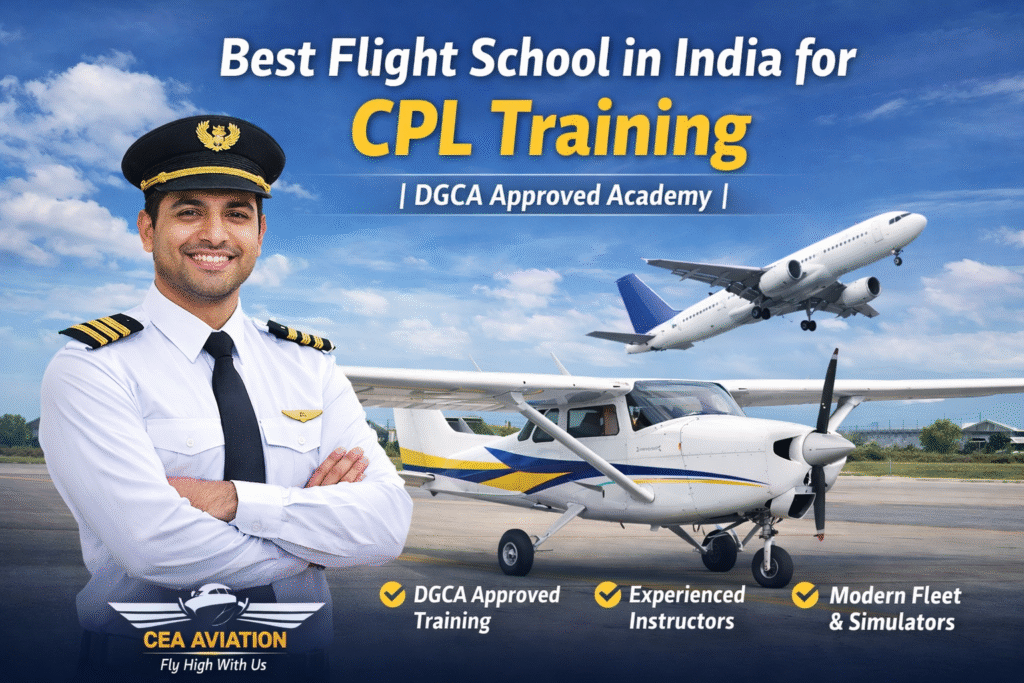
A career as a commercial pilot offers exciting opportunities, professional growth, and the chance to work in one of the world’s most dynamic industries. As India’s aviation sector continues to expand, the demand for qualified pilots is increasing across commercial airlines, charter operators, and aviation organizations. For aspiring pilots, selecting the Best Flight School in India is one of the most important steps toward achieving their career goals.
A quality flight training academy does much more than teach students how to fly. It provides structured education, practical flight experience, safety awareness, and professional development that prepares students for a successful aviation career. Choosing a DGCA-approved training institution ensures that your education aligns with the standards required by India’s aviation regulatory authority.
Why DGCA Approval Matters
The Directorate General of Civil Aviation (DGCA) is responsible for regulating civil aviation activities in India. DGCA approval confirms that a training institution follows established guidelines related to safety, operations, instructor qualifications, and pilot training standards.
Students enrolled in DGCA-approved programs benefit from a structured curriculum that meets regulatory requirements for obtaining pilot licenses. This approval also provides confidence that the training received is recognized within the aviation industry.
When evaluating the Best Flight School in India, DGCA approval should always be one of the first factors considered.
Building a Strong Foundation for Commercial Aviation
Commercial pilot training requires both theoretical knowledge and practical flying experience. Students must develop an understanding of aviation principles, navigation, meteorology, aircraft systems, communication procedures, and flight regulations.
A professional training environment helps aspiring pilots gain the knowledge necessary to operate aircraft safely and efficiently. Through classroom instruction, simulator sessions, and flight operations, students gradually build the skills required to handle real-world aviation responsibilities.
The foundation developed during training often plays a significant role in future career success.
Comprehensive Commercial Pilot Training Programs
A well-designed pilot training program typically includes multiple stages of aviation education. Students are introduced to aviation fundamentals before progressing to more advanced flight operations and licensing requirements.
Commercial pilot training commonly covers:
Aviation theory and ground school
Aircraft systems and performance
Navigation and flight planning
Radio communication procedures
Flight simulator training
Practical flight instruction
Aviation safety practices
Emergency procedures
These components work together to provide a complete learning experience that prepares students for licensing examinations and operational flying.
Importance of Experienced Aviation Instructors
One of the key characteristics of a quality aviation academy is its instructional team. Experienced flight instructors bring practical aviation knowledge that helps students understand both technical concepts and real-world flying situations.
Professional instructors provide valuable guidance throughout training by helping students improve aircraft handling, decision-making, communication skills, and situational awareness.
Their mentorship contributes significantly to student confidence and overall development as future pilots.
Modern Aircraft and Training Technology
Technology continues to transform aviation education. Modern flight schools often utilize advanced simulators, updated aircraft fleets, and digital learning resources to improve training effectiveness.
Students benefit from practical exposure to aviation systems commonly used throughout the industry. Access to reliable training equipment allows aspiring pilots to gain experience in realistic environments before progressing to more complex flight operations.
Many students searching for the Best Flight School in India compare training facilities, aircraft quality, and simulator technology when evaluating different academies.
Career Opportunities After CPL Training
Commercial Pilot License (CPL) training opens doors to various aviation career opportunities. Upon successful completion of training and licensing requirements, graduates may pursue positions in:
Commercial airlines
Charter aviation services
Cargo operations
Corporate aviation
Aviation training organizations
Specialized flight operations
As aviation demand continues to grow, trained pilots remain essential to the industry’s future development.
Employers often prefer candidates who have completed professional training programs that emphasize safety, operational excellence, and technical competence.
Why Quality Flight Training Matters
The aviation industry operates in a highly regulated environment where precision, discipline, and professionalism are essential. Quality Flight Training In India helps students develop these qualities while preparing them for the challenges of modern aviation.
Strong training programs focus on:
Safety awareness
Leadership skills
Decision-making ability
Aircraft management
Regulatory compliance
Professional conduct
These skills remain valuable throughout a pilot’s career and contribute to long-term success in aviation.
Choosing the Right Best Flight School in India
Selecting the right training institution requires careful research. Aspiring pilots should consider several factors before enrolling, including:
DGCA approval status
Instructor experience
Training curriculum
Aircraft fleet quality
Safety standards
Student support services
Career guidance opportunities
A reputable Flight school in India should provide transparent information about its training approach, facilities, and student development programs.
Additionally, students should evaluate whether the school offers an environment that encourages learning, professionalism, and continuous improvement.
When comparing training options, choosing a Flight school in India that prioritizes safety, practical experience, and industry standards can provide significant advantages throughout a pilot’s career journey.
Conclusion: Best Flight School in India for CPL Training and Aviation Careers
Selecting the Best Flight School in India for commercial pilot training is a critical decision that can influence your future aviation success. A DGCA-approved academy provides structured learning, professional instruction, practical flight experience, and industry-recognized training standards that support career growth.
Aspiring pilots should focus on training quality, safety culture, instructor expertise, and educational resources when choosing a flight school. By investing in professional aviation education, students can build the knowledge and skills needed for rewarding opportunities in the aviation industry. CEA Aviation is committed to helping future pilots achieve their goals through quality training, professional guidance, and a strong foundation for commercial aviation careers.
A DGCA-approved flight school follows aviation regulations, ensuring quality training, safety standards, and recognized pilot licensing requirements.
The Best Flight School in India offers experienced instructors, modern aircraft, structured training programs, and strong safety practices.
Commercial Pilot License training duration varies based on flying hours, weather conditions, training schedules, and student progress.
CPL graduates can pursue careers with airlines, charter operators, cargo services, corporate aviation, and flight training organizations.
A Flight school in India provides aviation knowledge, practical flight experience, simulator training, and professional pilot development skills.
Students should compare DGCA approval, instructor expertise, aircraft quality, safety standards, training facilities, and career support services.

